What Empire Was Cuzco Located In History And Legacy

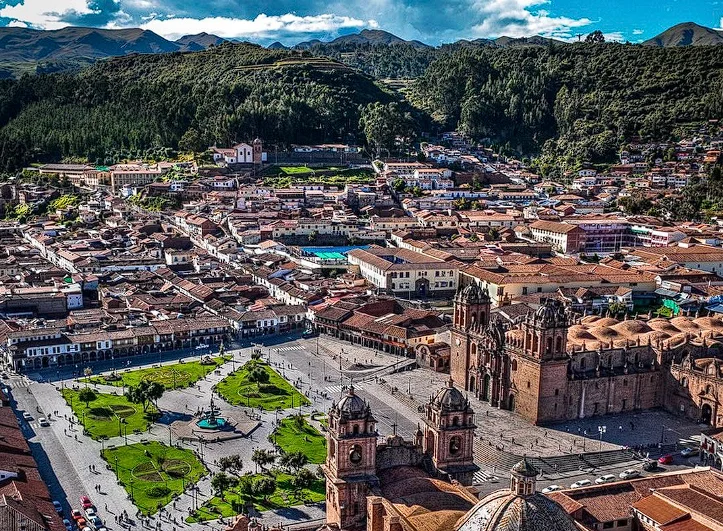
Cuzco was located in the Inca Empire, functioning as the absolute political, military, and religious epicenter of Tawantinsuyu. While it originated as a modest settlement in the 13th century, it rapidly evolved into the administrative heart of the largest pre-Columbian civilization in the Americas. This strategic highland city governed a vast territory spanning modern-day Peru, Ecuador, Bolivia, Chile, Argentina, and Colombia, dictating the laws and spiritual life of millions of indigenous people until the 16th century.
Cuzco As The Heart Of The Inca Empire
As the capital of the inca empire, the city was the geographic and spiritual core of the Andes. The name Cuzco translates to "Navel of the World" in the native Quechua language. The Incas designed the original city layout in the shape of a puma, a highly sacred animal in Andean cosmology. Every major road, political decree, and religious mandate in the empire originated from this central hub.
Tawantinsuyu The Four Regions Of The Sun
The Incas divided their vast territory into four distinct administrative regions to maintain strict control over their lands. These four regions converged perfectly at the main square of Cuzco
- Chinchaysuyu The wealthy northwestern region extending deep into modern Ecuador.
- Antisuyu The rugged eastern region bordering the dense Amazon rainforest.
- Qullasuyu The extensive southern region encompassing Lake Titicaca and the high plains of Bolivia.
- Kuntisuyu The vital western region leading directly down to the Pacific Ocean.
A Brief History Of The Imperial City
A brief history of cusco peru starts long before the founding of the empire. The valley has been continuously inhabited for thousands of years. The inca history represents the most famous and architecturally significant chapter in a long, complex timeline of Andean civilization.
Pre Inca Civilizations In The Valley
Before the Incas rose to power, the pre inca culture known as the Killke occupied the valley from roughly 900 to 1200 CE. They built early agricultural terraces and foundational stone walls.
The Incas eventually conquered the Killke and built their imperial capital over these older settlements, strategically utilizing their existing agricultural infrastructure.
The Golden Era Of Inca Rule
The ninth Sapa Inca, Pachacútec, transformed Cuzco into an imperial powerhouse starting in 1438. He channeled local rivers, constructed monumental stone palaces, and launched aggressive military campaigns to expand the borders. Under his visionary rule, the city reached its absolute peak in wealth, architectural mastery, and cultural dominance.
Why Cuzco Was Chosen As The Imperial Capital
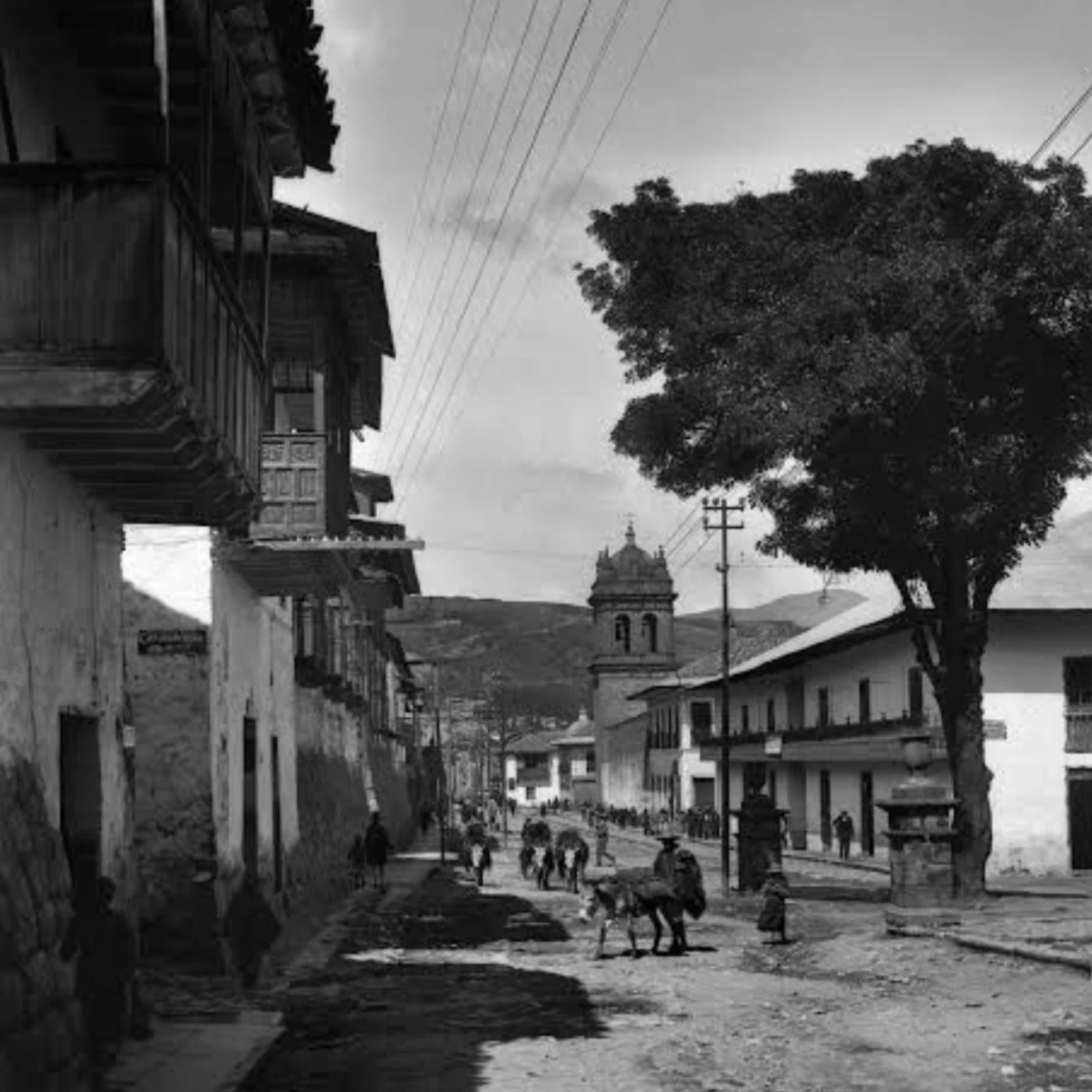
The Cuzco valley offered highly fertile volcanic soil and a temperate climate, which was perfect for mass producing maize to feed a growing imperial army. Steep mountains completely surrounded the valley, acting as impenetrable natural defensive walls.
The Incas also believed powerful mountain spirits, known as Apus, actively protected the area. This unique mix of agricultural abundance, military defense, and religious significance made it the ideal location for a capital.
Surviving Architectural Legacy Of The Empire
Remnants of advanced inca engineering continue to define the modern city layout today. Massive, perfectly fitted stone walls form the structural foundations of current colonial buildings and cobblestone streets. The local inca museum houses invaluable artifacts, textiles, and royal mummies, but the city itself remains the greatest open-air architectural exhibit in South America.
Qorikancha The Golden Temple
Qorikancha was the most important religious structure in the entire empire, dedicated exclusively to Inti, the Sun God. During the height of Inca rule, solid gold plates completely covered its interior walls. Today, its flawless stone masonry stands intact as the foundation for the colonial Santo Domingo Convent.
Sacsayhuaman The Sacred Fortress
Sacsayhuaman is a massive megalithic fortress overlooking the city from a steep northern hill. The individual stones weigh up to 100 tons each and fit together perfectly without a single drop of mortar. It served simultaneously as a military stronghold and a primary religious center. Today, it hosts the vibrant annual Inti Raymi festival.
The Spanish Conquest And The End Of The Empire
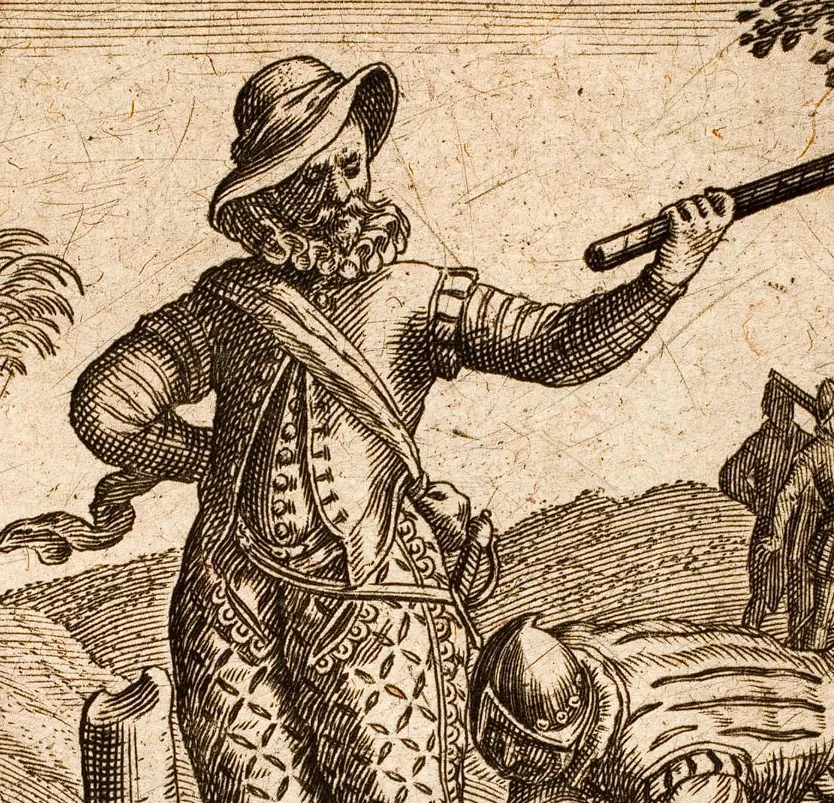
The spanish invasion of cusco in 1533 abruptly ended indigenous imperial rule. Francisco Pizarro and his men captured the city and methodically stripped the temples of their gold.
The Spanish dismantled grand Inca palaces and used the carved stones to build Catholic churches. Despite centuries of colonial rule and devastating earthquakes, the original Inca foundations survived, creating the fascinating hybrid city visible today.
Frequently Asked Questions
What empire was Cuzco located in?
Cuzco was located in the Inca Empire, natively known as Tawantinsuyu. It served as the absolute political, military, and religious capital of the civilization until the Spanish conquest in the 16th century.
What does the name Cuzco mean?
In the native Quechua language, Cuzco (or Qosqo) translates to "Navel of the World." The Incas gave it this name because the city was the geographic and spiritual center of their universe.
Who built the Inca Empire in Cuzco?
While mythical origins point to Manco Cápac, the ninth Sapa Inca, Pachacútec, is historically credited with transforming Cuzco from a small kingdom into a massive imperial powerhouse starting in 1438.
What is the most famous Inca temple in Cuzco?
Qorikancha is the most famous and important temple in the city. Dedicated to the Sun God, Inti, its walls were once covered in solid gold plates before the Spanish invasion.
When did the Inca Empire in Cuzco end?
The Inca Empire effectively ended in 1533 when Spanish conquistadors, led by Francisco Pizarro, invaded Cuzco, captured the city, and established colonial rule over the indigenous population.