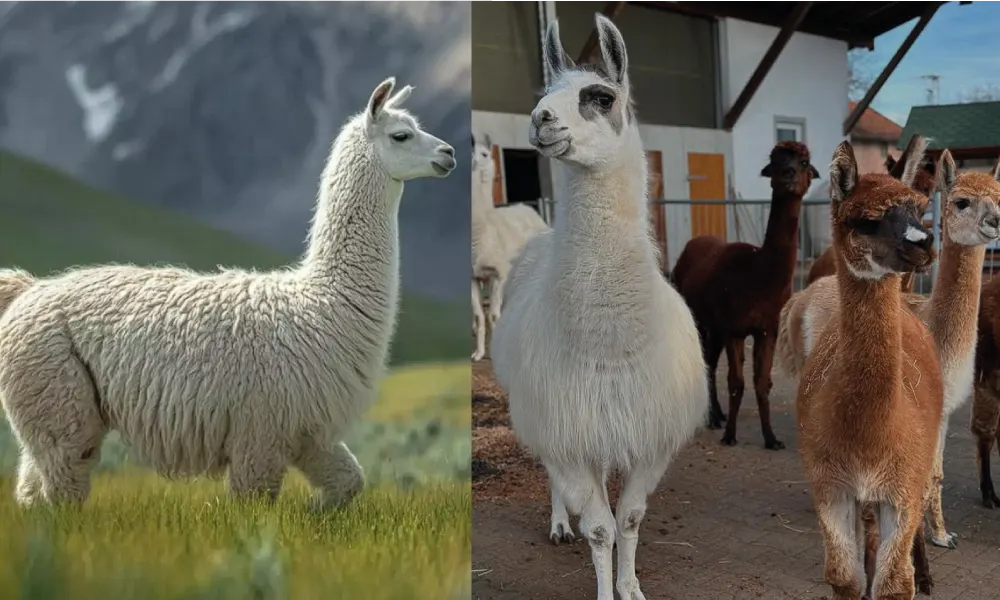
What is the Difference Between a Llama and an Alpaca?

If you've ever come across one of these fluffy South American camelids, you've probably asked yourself: Is that a llama or an alpaca? While they might look like twins at first glance, they are completely different animals.
In this comprehensive guide, you'll learn how to tell them apart in seconds, discover which one produces the softest wool, and meet their wild cousins: the vicuña and the guanaco.
What is the Difference Between a Llama and an Alpaca?
As interest in sustainable textiles and hobby farming continues to grow across the United States and the world, the South American camelid family has taken center stage. If you have ever encountered these fascinating animals, the first question that usually comes to mind is: Is that a llama or an alpaca?
While they share a common ancestry and are often confused by casual observers, llamas and alpacas possess distinct physical traits, behavioral patterns, and economic uses. In this comprehensive guide, we will break down the exact biological differences, compare their fiber quality using industry metrics, and introduce you to their wild cousins—the vicuña and the guanaco.
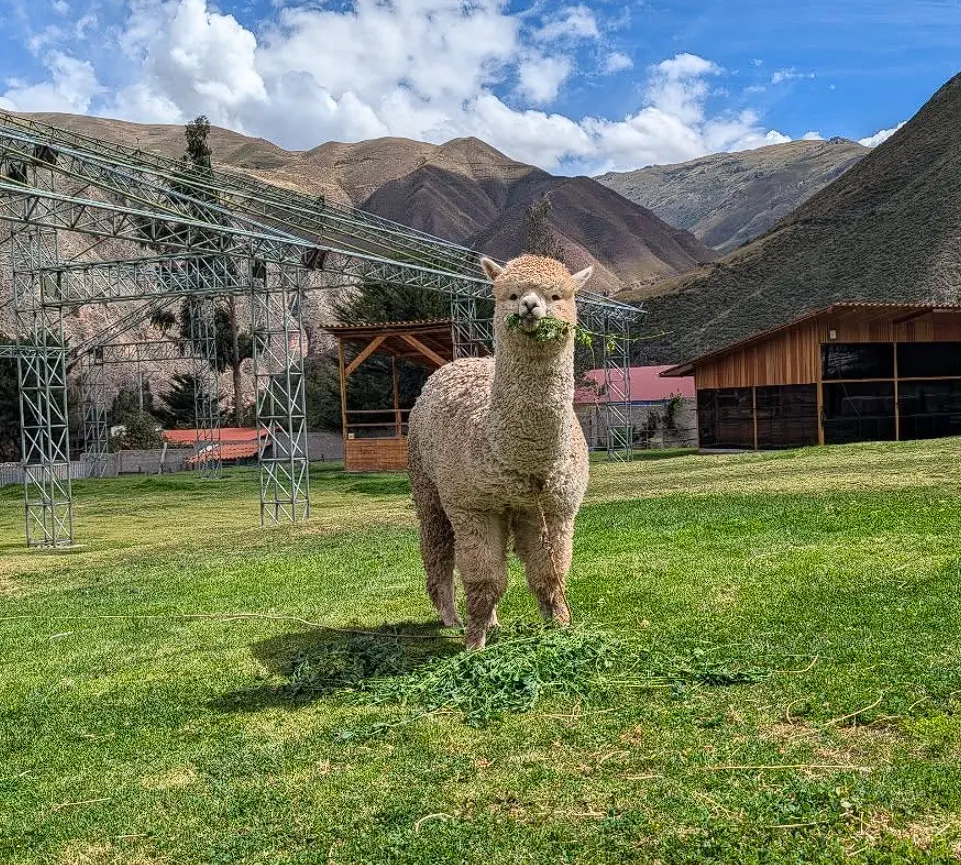
The Llama vs. Alpaca Comparison Matrix
For a rapid breakdown of the primary physical and behavioral distinctions, refer to this side-by-side comparison matrix:
| Feature | The Alpaca (Vicugna pacos) | The Llama (Lama glama) |
|---|---|---|
| Average Weight | 120 – 190 lbs (54 – 86 kg) | 280 – 350 lbs (127 – 158 kg) |
| Average Height (at the ear) | Up to 4.5 feet (1.4 meters) | Up to 6 feet (1.8 meters) |
| Ear Shape | Short, symmetrical, spear-shaped | Long, inward-curving, "banana" shaped |
| Facial Profile | Blunt, short snout with heavy fleece | Elongated snout, longer face, minimal fleece |
| Primary Economic Use | Luxury textile production | Pack animals and livestock guardians |
| Temperament | Skittish, herd-dependent, gentle | Confident, independent, protective |
The Core Physical Distinctions Explained in Detail
To accurately tell the difference between llamas and alpacas without a scale or a tape measure, you need to look at their anatomy. Here are the most reliable visual cues:
1. Overall Mass and Stature
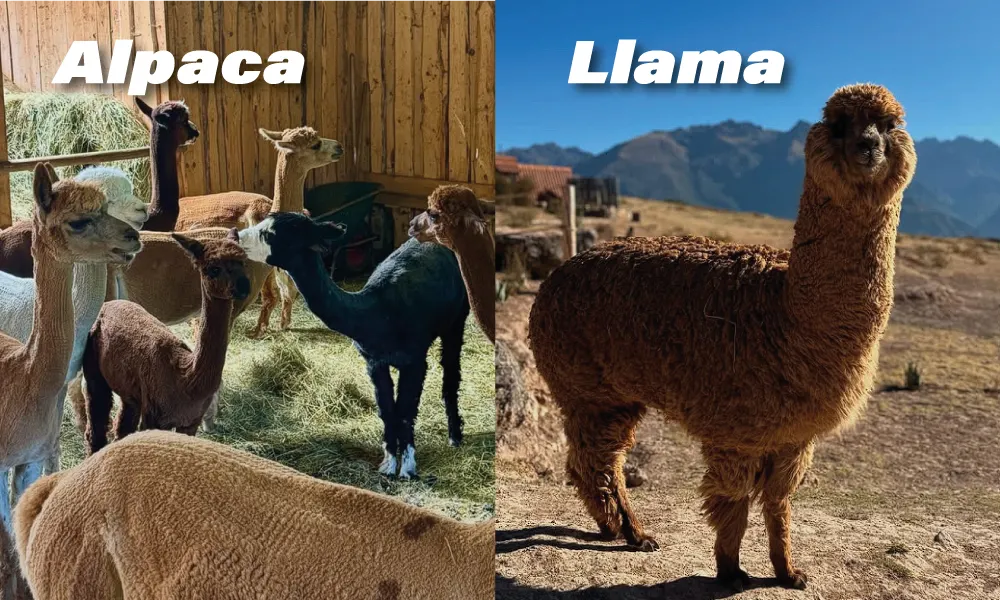
Llamas are significantly larger and more robust. A mature llama can weigh nearly three times as much as an alpaca and easily reach six feet in height. When standing next to an average adult human, a llama's head will often be at or above eye level, whereas an alpaca generally reaches chest height.
2. Ear Structure
This is the single most reliable visual identifier used by breeders. Llamas have distinctively long ears that curve slightly inward at the tips, widely referred to in the agricultural community as "banana ears." Alpaca ears are noticeably shorter, straight, and pointed, resembling the tip of a spear.
3. Cranial and Facial Features
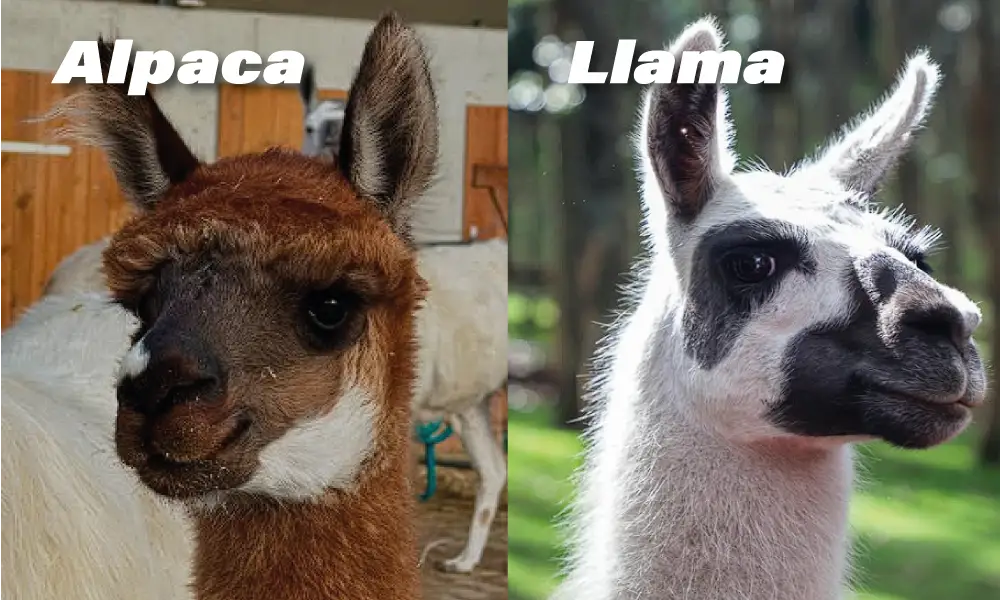
Alpacas are often described as looking like stuffed animals. Their heads are covered in a thick "bang" of wool (often obscuring their large eyes), and their snouts are short and blunt. Llamas, conversely, have elongated faces with far less wool on their heads and necks, giving them a sharper, more distinct profile.
4. Back Anatomy and Posture
Because llamas were historically bred as pack animals by the ancient Andean civilizations, their backs are straighter and structurally designed to carry heavy loads (up to 75 pounds for several miles). Alpacas have a slightly more sloped or rounded back, making them entirely unsuited for carrying freight.
Alpaca Wool vs. Llama Wool: A Textile Deep Dive
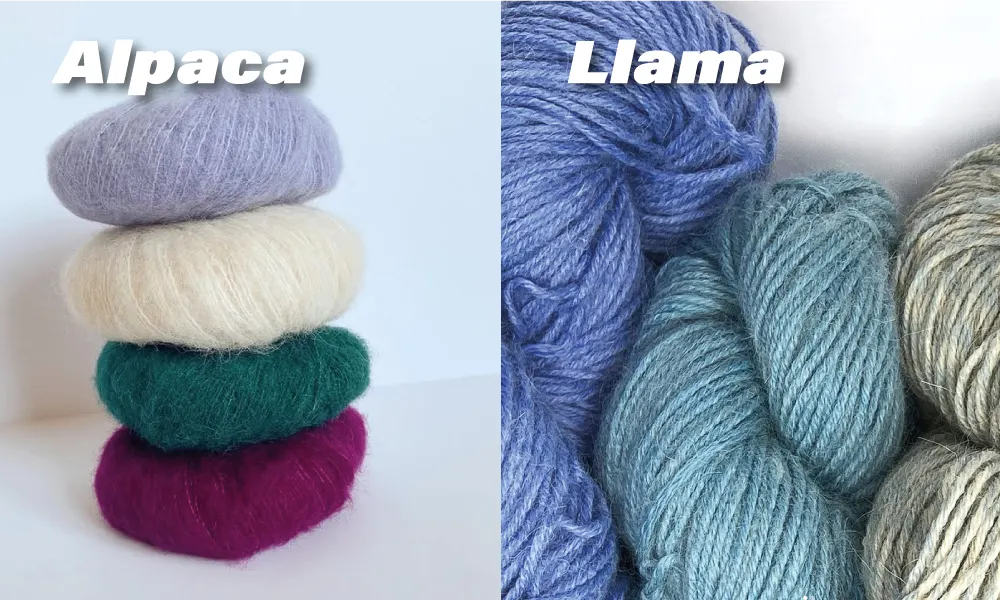
The most significant commercial difference between these two animals lies in their fleece. The textile industry measures the softness of animal fiber in microns (one-millionth of a meter). The lower the micron count, the softer the fiber.
| Fiber Characteristic | Alpaca Wool | Llama Wool |
|---|---|---|
| Micron Count | 15 – 30 microns (Extremely fine) | 20 – 40+ microns (Coarser) |
| Coat Structure | Single coat (dense and uniform) | Double coat (fine undercoat, coarse guard hairs) |
| Lanolin Content | None (Hypoallergenic) | None (Hypoallergenic) |
| Water Resistance | Highly water-resistant | Moderately water-resistant |
| Best Used For | High-end sweaters, scarves, luxury blankets | Rugs, ropes, heavy outerwear, lead ropes |
The Alpaca Advantage in High Fashion
Alpaca fiber is globally recognized as a luxury material, often compared to cashmere. Because it contains zero lanolin (the natural wax found in sheep's wool), it is naturally hypoallergenic and does not require harsh chemical processing. It provides exceptional thermal insulation while remaining lightweight.
The Llama's Utilitarian Fiber
While a llama's undercoat can be relatively soft, its outer coat is dominated by thick, stiff guard hairs. This makes llama fleece incredibly durable. Rather than being spun into high-fashion garments, llama fiber is preferred by artisans for creating heavy-duty rugs, durable wall hangings, and robust outdoor gear.
Behavior, Temperament, and Vocalizations
Understanding how these animals interact with their environment is crucial for both farm management and tourist encounters.
Herd Dynamics
Alpacas possess a strong herd instinct. They are highly vulnerable to predators and rely completely on the safety of the group. If isolated, an alpaca will experience severe stress. Llamas are much more independent and self-assured.
The "Guard Llama" Phenomenon
Due to their size and aggressive posture toward canines, llamas are routinely utilized by farmers across North America as livestock guardians. A single gelded male llama will actively patrol a pasture and fiercely protect a flock of sheep or alpacas from coyotes, stray dogs, and foxes.
Vocalizations
Both species communicate primarily through a soft "humming" sound. However, when danger is present, they emit a sharp, high-pitched alarm call to alert the herd.
Diet, Care, and Farm Management Requirements
For those interested in visiting farms or understanding agricultural logistics, it is important to note that both species are highly efficient foragers, thanks to their three-chambered stomachs.
| Care Requirement | Alpacas | Llamas |
|---|---|---|
| Average Lifespan | 15 – 20 years | 15 – 20+ years |
| Dietary Needs | Pasture grass, specialized hay, low-protein grain | Pasture grass, hay, can tolerate poorer forage |
| Grazing Impact | Very low (soft pads, nibbles grass without uprooting) | Very low (soft pads, minimal pasture destruction) |
| Space Required | 5 to 10 alpacas per acre | 3 to 5 llamas per acre |
| Shearing Frequency | Once a year (mandatory for animal health) | Varies (often brushed out or sheared every 1-2 years) |
The Broader Family: What About Vicuñas and Guanacos?
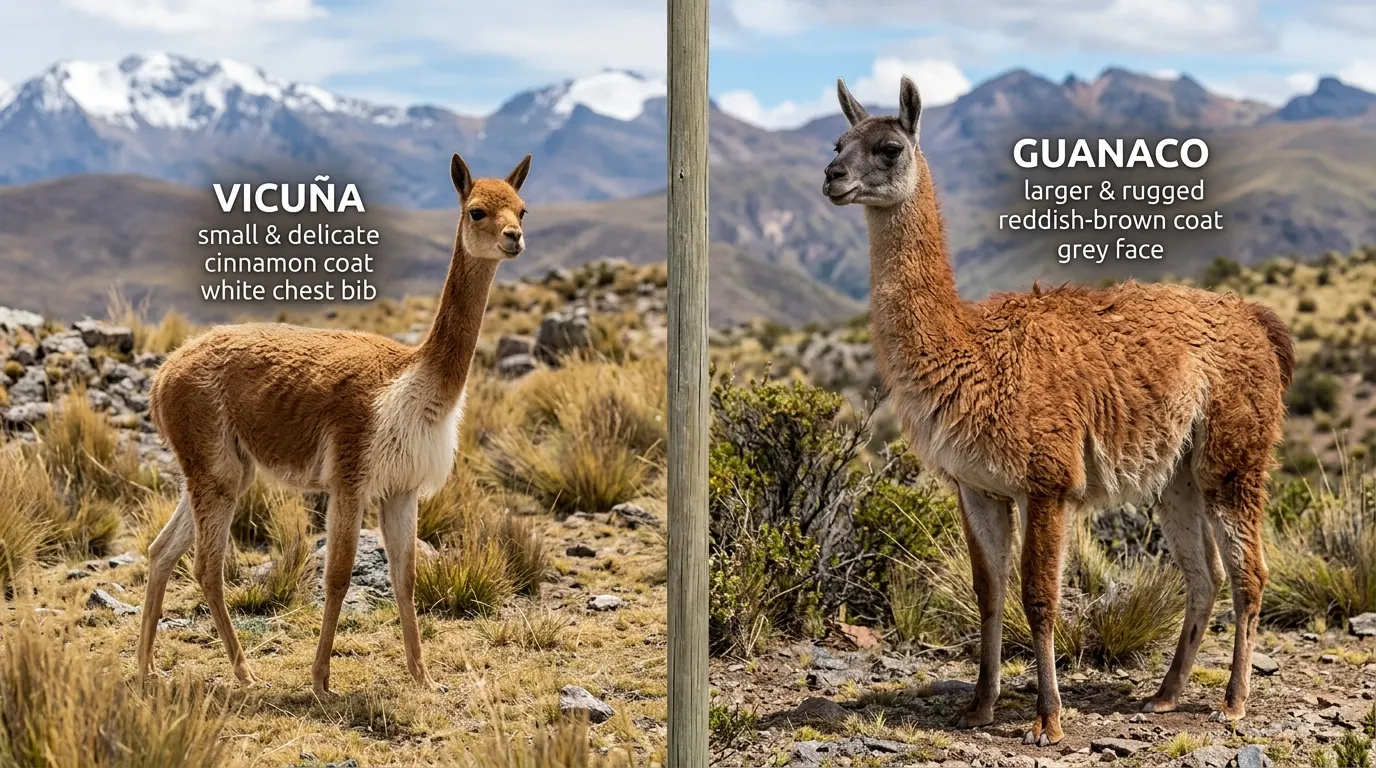
To fully grasp the taxonomy of South American camelids, you must look beyond the domesticated species to their wild counterparts that roam the Andes Mountains.
-
The Vicuña (Vicugna vicugna): The wild ancestor of the alpaca. The vicuña is an endangered, slender, and graceful animal that produces the finest, most expensive fiber in the world (ranging from 12 to 14 microns). During the Inca Empire, only royalty was permitted to wear vicuña garments. Today, they are fiercely protected, and their fleece is harvested through highly regulated catch-and-release events called chaccu.
-
The Guanaco (Lama guanicoe): The wild ancestor of the llama. Guanacos are larger, highly athletic, and capable of surviving in some of the harshest, most arid climates in South America, from the high deserts to the Patagonian steppes.
Where to See Them: From Local Farms to the Andes
For those looking to learn more about alpacas and llamas firsthand, there are numerous options. Across the US, you can find specialized alpaca breeding farms that offer guided tours, fiber-spinning workshops, and interactive petting zoos.
However, for the ultimate experience, viewing these camelids in their natural habitat is unmatched. Trekking through the high altitudes of the Peruvian Andes—such as the breathtaking routes toward Vinicunca (Rainbow Mountain) organized by specialized operators like Uros Expeditions—allows you to see massive herds grazing in the valleys exactly as they have for millennia.
Frequently Asked Questions
How can you tell the difference between llamas and alpacas when they are babies (crias)?
Baby camelids (crias) can be tricky to differentiate because of their size. However, the "banana ear" rule still applies. Even at birth, a llama will display longer, curved ears, while an alpaca cria will have small, straight ears.
Do their dietary requirements differ significantly for farm management?
Not significantly. Both are pseudo-ruminants that thrive on quality pasture and hay (such as orchard grass or Timothy hay). However, because alpacas are bred for high-quality fleece, their diet often requires more precise mineral supplementation to ensure optimal wool growth compared to the hardier llama.
What are the best products made from alpaca wool instead of llama wool?
Alpaca wool is best utilized for next-to-skin garments. The most popular high-quality items include thermal socks, infinity scarves, beanies, and luxury sweaters. Llama wool is better suited for outerwear that doesn't touch the skin directly, or home goods like woven blankets and floor textiles.
Are there local establishments offering interactive experiences with these animals?
Yes, many fiber farms and agricultural tourism sites across North America allow visitors to walk llamas on trails or feed alpacas. A quick search for "alpaca farms near me" will typically yield local ranches that offer educational weekend tours and farm stores selling locally sourced yarn.